As countries like Canada seek to reduce carbon emissions through technologies like wind turbines and electric vehicles, demand is increasing for the minerals needed to create them — elements like lithium, copper, and several rare earth elements, collectively referred to as critical metals.
While it’s important to produce enough of these critical metals to close the gap between supply and demand, developing new mining operations is a lengthy process and comes with inevitable environmental impacts, such as a high carbon footprint. This can offset the very benefits we aim to achieve from their end-use applications, if mining is not done responsibly.
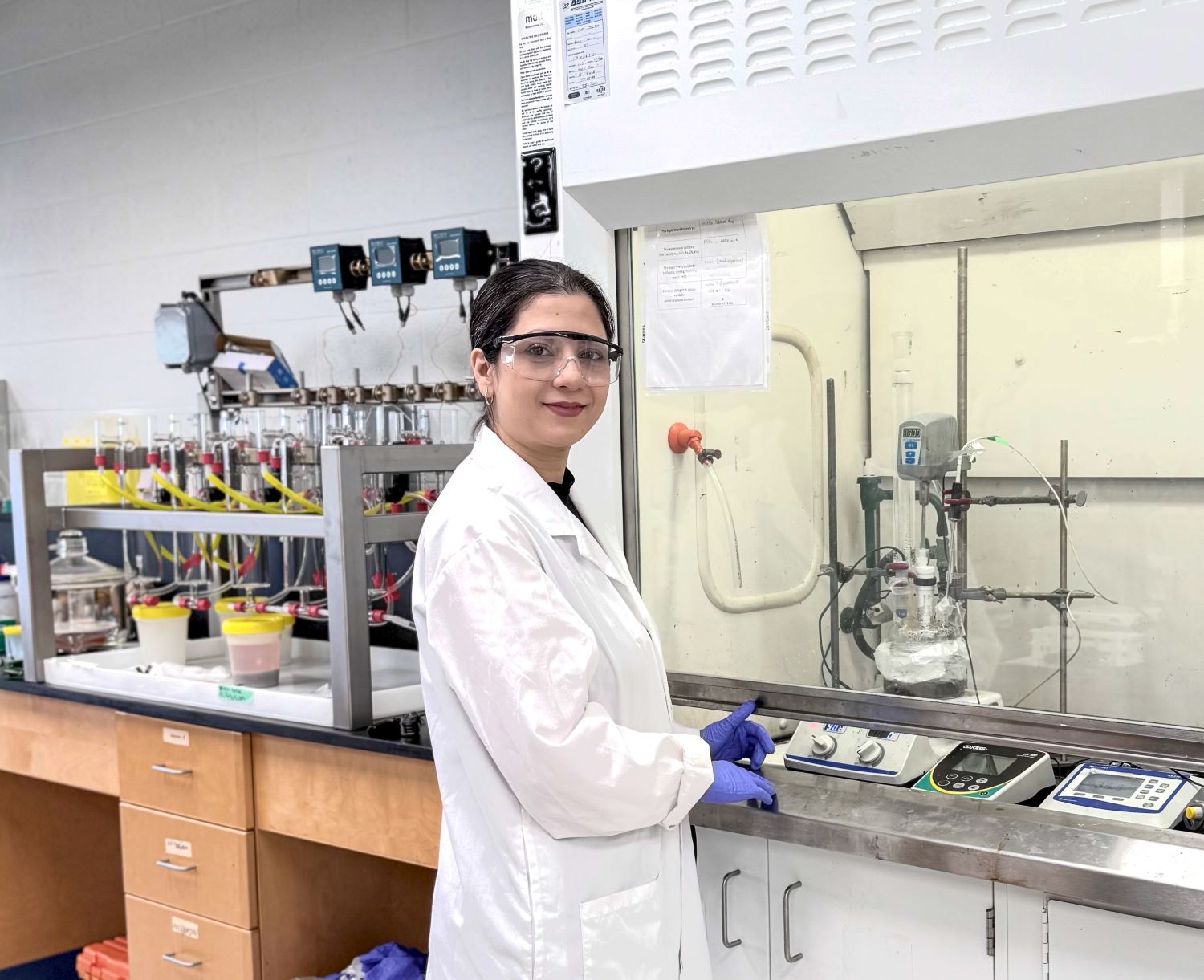
That’s why researchers like Farzaneh Sadri, Assistant Professor in the Robert M. Buchan Department of Mining, are seeking ways to recycle and recover these materials from existing electronics before they hit the scrap heap.
“I'm basically a hydrometallurgist,” she says. “My research focuses on using aqueous media to extract target metals, such as precious metals and critical metals, from different resource materials such as the primary sources, which are the ores and the concentrates that we generate from the ores, and also from secondary resources. Whatever resource contains the metals we can work with and we can extract these valuable metals from, indeed with consideration of the feasibility and viability of the extraction process from that resource.”
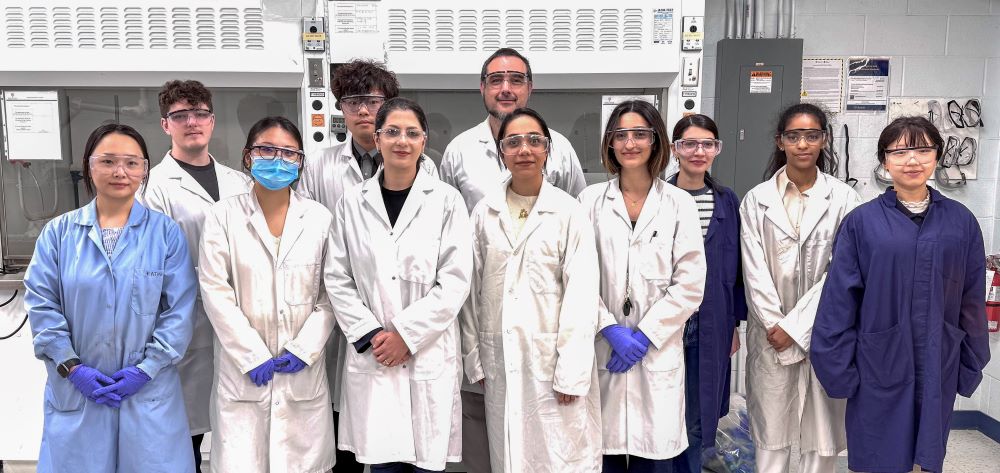
Sadri was recently named a Tier 2 Canada Research Chair in Chemical Extraction of Critical Metals for her work to extract these elements sustainably using chemicals from sources like waste batteries, waste magnets, rare earth elements and copper ores, and lithium brines. This work aims to address the environmental impact of traditional metals chemical extraction practices while strengthening Canada's position as a leader in mining and resource extraction innovation. To that end, Sadri and her team are working with both mining companies, as well as recycling companies that seek to recover usable materials from lithium-ion batteries and permanent magnets.
“Basically, net metals extraction starts with the mining and extraction of the ores and the rocks that contain these raw materials,” she says. “We further process them chemically to extract and separate different valuable metals from these resources. My team’s work integrates minerals processing, chemistry, chemical engineering, and materials engineering.”
That separation work can take a few different routes. Some of the research begins with identifying a problem with an existing process — say, that the purity of a material being extracted is too low — and by investigating both the material being extracted and the impurities affecting the end product. By studying the chemistry, thermodynamics, and kinetics behind the process, Sadri will then start adjusting the process to try and make an improvement. In other cases, companies approach Sadri as they attempt to develop a new, more sustainable process for extraction.
“One of the research projects that we are already working on is the application of microwave technology as a pretreatment technique,” she says. “This can help by reducing the energy intensiveness of the process because the selective heating can reduce the consumption of the energy, and at the same time increase the recovery rate while reducing the reagent and time needed for that process, stemming from enhanced mineral liberation.”
Her team is also investigating the use of microorganisms called siderophores as greener alternatives to selectively recover metals of interest.
With the new chair position, Sadri and her team will be focusing more specifically on recovering various critical metals, like rare earth elements, lithium, gallium, and copper, and she specifically hopes to bring more attention to recovering those minerals from waste streams such as end-of-life products and mining waste to close the loop.
“We want to minimize the adverse effect of the chemical processes and mining practices on the environment and help with developing more sustainable processes, whether that is by minimizing reagent consumption, minimizing waste generation, or minimizing the cost of the process,” she says. “All these different practices help make the mining and recovery process more feasible and safer and reduce the environmental impact.”